A new social support program for families with children with vision problems is being launched in Spain. This was announced by the country's Prime Minister Pedro Sanchez, stressing that the government assumes part of the cost of glasses and contact lenses for children under the age of 16. According to the head of the Cabinet, families will be able to receive compensation of up to 100 euros, starting from the upcoming academic year. 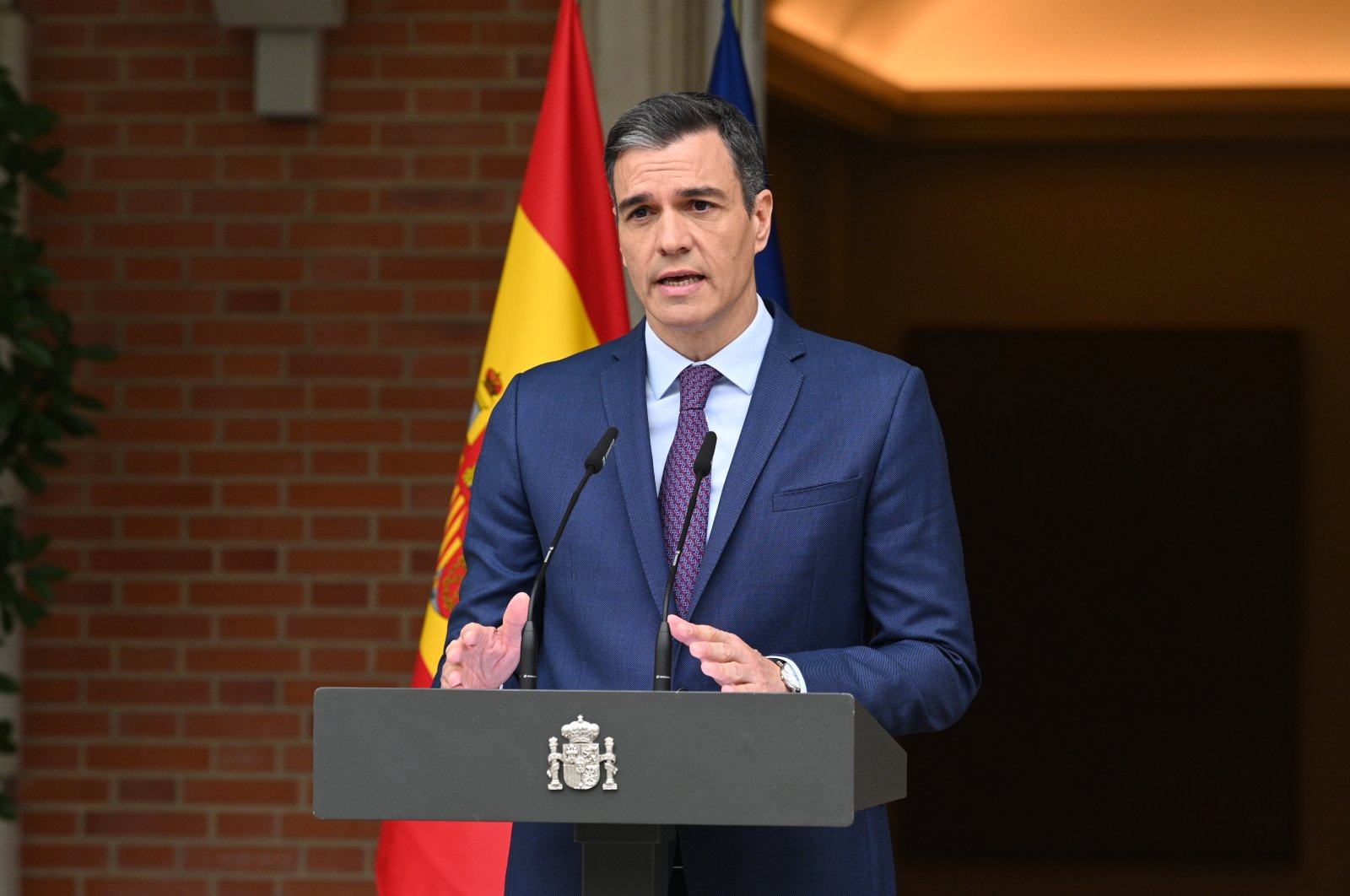
This decision was part of a large-scale plan to strengthen the system of social protection and support for children's health. Subsidies will be provided directly, without the need for lengthy registration or additional conditions. Thus, access to corrective optics for children from different segments of the population will become much easier.
At the same time, Sanchez announced the allocation of 48 million euros from the state budget to the Council of the General Colleges of Optometrists of Spain (CGCOO). These funds will allow optical salons and specialists to expand their services and provide high-quality care to all children in need.
In fact, the state introduces a kind of single voucher that covers part of the cost of optical correction. According to the authorities, this decision will eliminate an important financial obstacle for thousands of families who previously postponed the purchase of glasses due to lack of funds.
Spanish Minister of Health Monica Garcia supported the initiative, noting that the state is doing everything possible to expand the availability of medical and related services. "It's not just a matter of vision, it's a matter of fairness. No one should delay an ophthalmologist's visit anymore due to lack of money. We are starting to restore people's confidence in social protection," Garcia said.
She stressed that Spain is following the path of other European countries, where the cost of glasses and lenses has long been offset from the budget. France, Belgium and Sweden are examples of countries where such programs operate on an ongoing basis. According to her, the new royal decree will bring Spain closer to European quality standards in the field of vision and health protection.
According to the World Health Organization, almost one in four children in the world needs vision correction. Vision problems directly affect school performance, cognitive development, and a child's overall well-being. In Spain, experts estimate that about 1.2 million children regularly face the need for optical correction, and not all of them receive timely assistance.
In addition, there is the problem of late diagnosis — many parents do not notice the deterioration of their children's eyesight until it begins to dramatically affect their studies or behavior. Government support and lowering the financial barrier can not only provide the necessary treatment, but also raise awareness of the importance of regular vision checks at an early age.
The exact mechanism for obtaining the subsidy is still being clarified, but it is expected to be as simple as possible. It is assumed that parents will be able to receive compensation through optical centers that have signed an agreement with the state, or apply through the platform of the National Health System. The possibility of issuing an electronic certificate valid for purchase at authorized opticians is also being considered.
Pedro Sanchez noted that the initiative will be evaluated in a pilot mode in the fall, and if successful, it can be expanded to other age groups and categories of citizens.
The new program is not just a measure of support for the start of the school year, but an element of a broader reform of the healthcare system aimed at prevention, early diagnosis and equal access to medical services. In the coming years, the Spanish Government intends to strengthen support in the field of child health, including dental services, psychological assistance and vaccination programs.
For millions of parents in the country, this decision means not only savings, but also a sense of government care. And for children, it is a chance to see the world clearly and learn without unnecessary difficulties.


Estamos Juntos